DO I HAVE TO TELL MY INSURANCE COMPANY I GOT A DUI?
DO I HAVE TO TELL MY INSURANCE COMPANY I GOT A DUI?
Navigating the aftermath of a DUI conviction, particularly in terms of automobile insurance, can be complex and stressful. Here’s a breakdown of the key points to keep in mind:
Insurance and DUI Convictions
After a DUI conviction, the burden is on your automobile insurance carrier to discover this information. Insurance companies typically conduct spot checks of driving records, but they may not always catch every detail. If you are directly asked about a DUI by your insurance company, it’s important not to lie. However, if you receive correspondence from your insurer that doesn’t specifically ask about a DUI, many experts suggest ignoring it rather than volunteering information. That said, it’s always best to consult with your attorney to ensure you’re making the right decision for your situation.
The "Stop and Snatch" Law
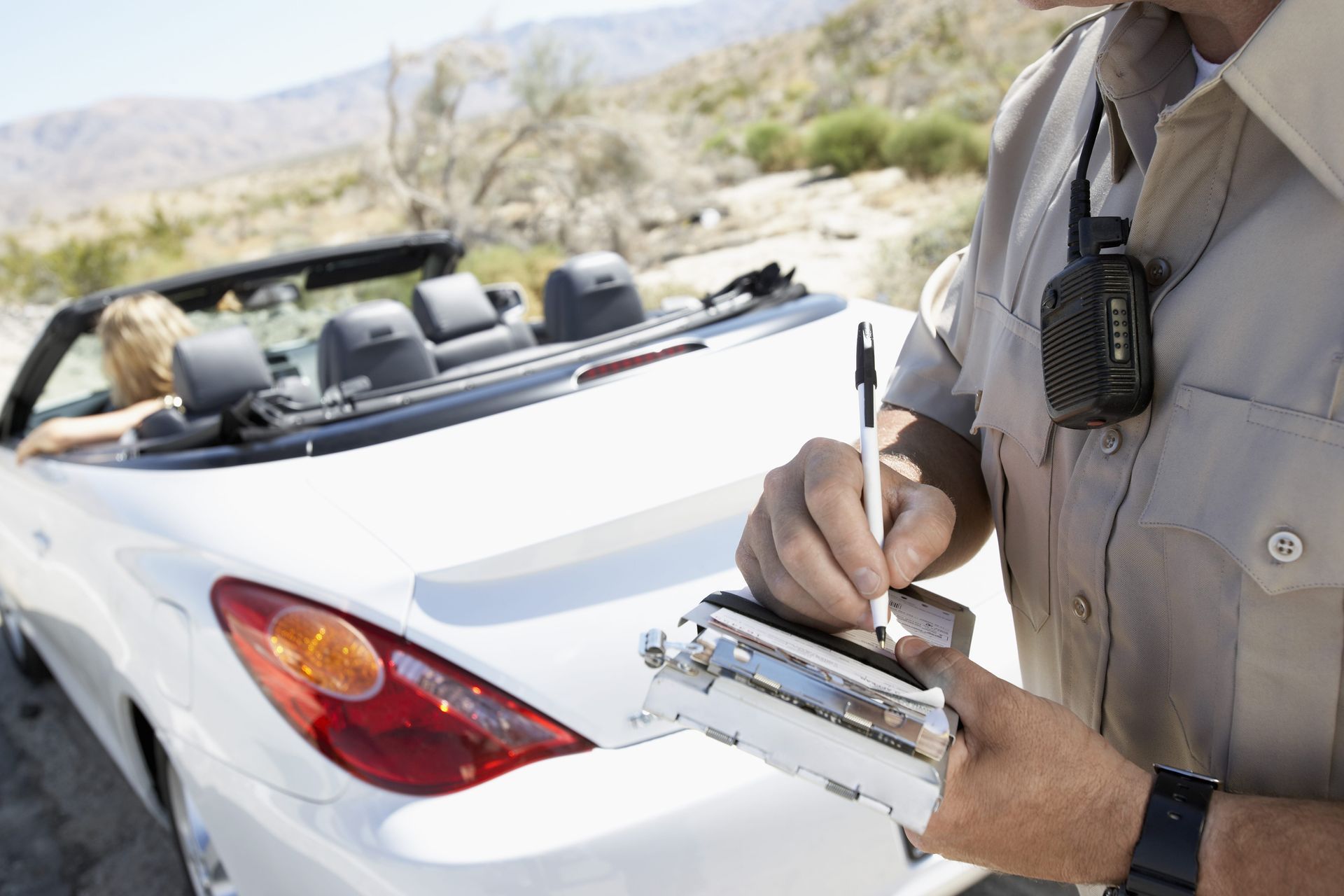
When you are arrested for a DUI, the arresting officer will confiscate your driver’s license under the “Stop and Snatch Law” and issue you a pink temporary license that is valid for 30 days. If your lawyer requests a DMV hearing and a Stay within 10 days of your arrest, your license remains valid until the hearing results are determined.
Dealing with Your Insurance Company
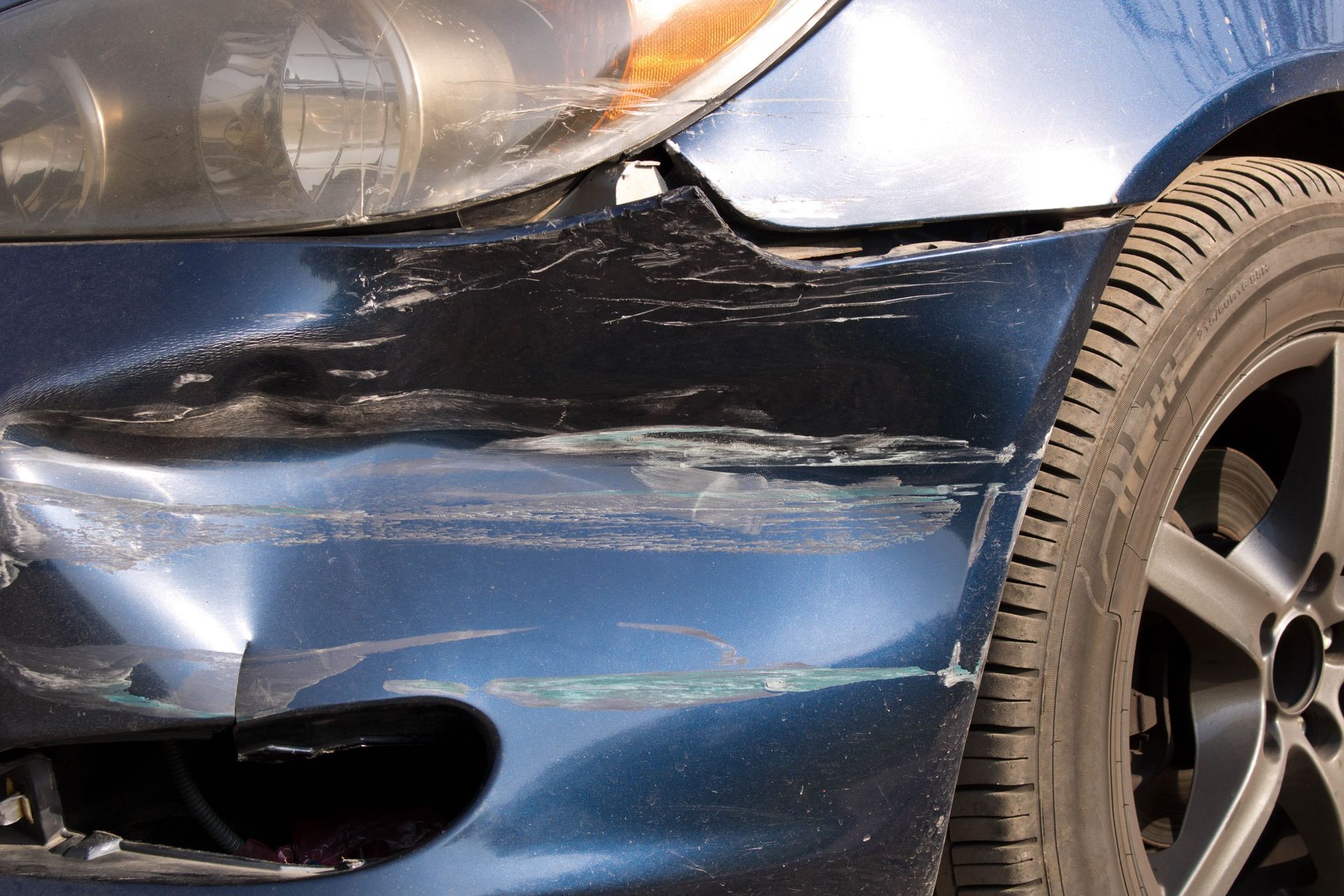
If you’ve had an accident involving a DUI, do not volunteer information about the DUI to your insurance company. It’s their responsibility to uncover that information, and they may not always be aware that alcohol was involved in the incident. Again, Silence is Golden, but do not lie—just refrain from offering unnecessary details.
SR-22: What It Is and Why It Matters
If you lose the DMV hearing or enter a plea in court, you will need to file an SR-22 with the DMV to get your driver’s license reinstated. The SR-22 is a “Proof of Insurance” certificate provided by an insurance company that guarantees you have the required minimum liability coverage mandated by California law. It is crucial that you do not file this SR-22 through your current insurance company, as doing so could lead to an immediate increase in your premium or even cancellation of your policy. Call me for a way to handle this.
California law requires that you maintain an SR-22 for 36 months. Failing to keep your SR-22 and insurance in force will result in an automatic suspension of your driver’s license. Driving with a suspended license is a misdemeanor in California, which could lead to arrest, fines, jail time, and even loss of your vehicle.
Insurance Strategies Post-DUI
Before your DMV hearing or court plea, and while your record is still clear, it’s wise to contact a specialized insurance company to set up a non-owned vehicle policy. This type of policy allows you to obtain the SR-22 without immediately triggering higher premiums from your current insurer. If it turns out you don’t need the SR-22 (if, for instance, you win your DMV hearing), many companies will refund the cost of the SR-22. Call me for a referral!
If your insurance company eventually learns of your DUI, the specialized insurance company can transfer your policy to one based on the clean record that existed when the non-owned vehicle policy was initially written. This approach can help mitigate the financial impact of a DUI on your insurance premiums.
Final Steps
It’s crucial to act quickly if you’ve been arrested for a DUI. Contact the appropriate insurance company and set up your non-owned vehicle policy before any DUI conviction appears on your record. By being proactive, you can better manage the insurance implications of a DUI and avoid some of the steep increases in premiums that often follow such convictions.