How Does a Personal Injury Claim Work in California?
How Does a Personal Injury Claim Work in California?
A serious injury can disrupt nearly every part of your life. Medical bills, missed work, physical pain, and emotional stress can create significant challenges for you and your family. When an injury is caused by another person or company’s negligence, California law may allow you to pursue compensation through a personal injury claim.
Understanding the personal injury claims process can help you protect your rights and avoid decisions that may weaken your case. While every claim is different, most California personal injury cases involve investigating the accident, documenting the resulting losses, negotiating with insurance companies, and determining whether a lawsuit is necessary.
What Is a Personal Injury Claim?
A personal injury claim is a legal demand for compensation after someone is harmed by another party’s careless, reckless, or wrongful conduct. The injured person is commonly referred to as the claimant or plaintiff. The person, business, or organization accused of causing the injury may be known as the responsible party or defendant.
Personal injury claims can arise from incidents such as:
- Car accidents
- Motorcycle accidents
- Pedestrian accidents
- Bicycle accidents
- Slip-and-fall incidents
- Dangerous property conditions
- Dog bites
- Rideshare accidents
- Defective products
- Wrongful death
The purpose of a claim is to hold the responsible party accountable and pursue compensation for the financial and personal harm caused by the injury.
How Is Negligence Established in California?
Many California personal injury claims are based on negligence. Negligence generally occurs when a person or business fails to use reasonable care under the circumstances.
An injured person typically must establish that:
- The responsible party owed them a duty of care.
- The responsible party failed to meet that duty.
- The failure caused or contributed to the accident.
- The injured person suffered damages as a result.
For example, motorists have a duty to operate their vehicles safely. Property owners may have a responsibility to address dangerous conditions or warn lawful visitors about known hazards. Businesses may also be held responsible when unsafe practices cause injuries.
Evidence is essential when establishing negligence. An insurance company may dispute fault, question the injured person’s account, or argue that another party caused the accident.
What Should You Do After an Accident?
Your health should be the first priority after an accident. Seeking prompt medical care can identify injuries, begin the recovery process, and create documentation connecting the injuries to the incident.
When possible, you should also consider taking the following steps:
- Report the accident to the police, property owner, or appropriate authority.
- Photograph the scene, visible injuries, and any dangerous conditions.
- Obtain the names and contact information of witnesses.
- Save damaged clothing and personal property.
- Keep copies of medical records, bills, and receipts.
- Document time missed from work.
- Record how the injuries affect your daily activities.
- Avoid posting details about the accident on social media.
Be cautious when speaking with an insurance representative. Statements made shortly after an accident may later be used to challenge fault or minimize the severity of your injuries.
How Does the Investigation Begin?
A personal injury attorney may begin by collecting evidence about how the accident occurred and identifying every party that may be legally responsible.
Depending on the circumstances, an investigation may include:
- Police or incident reports
- Photographs and video recordings
- Surveillance footage
- Witness statements
- Medical records
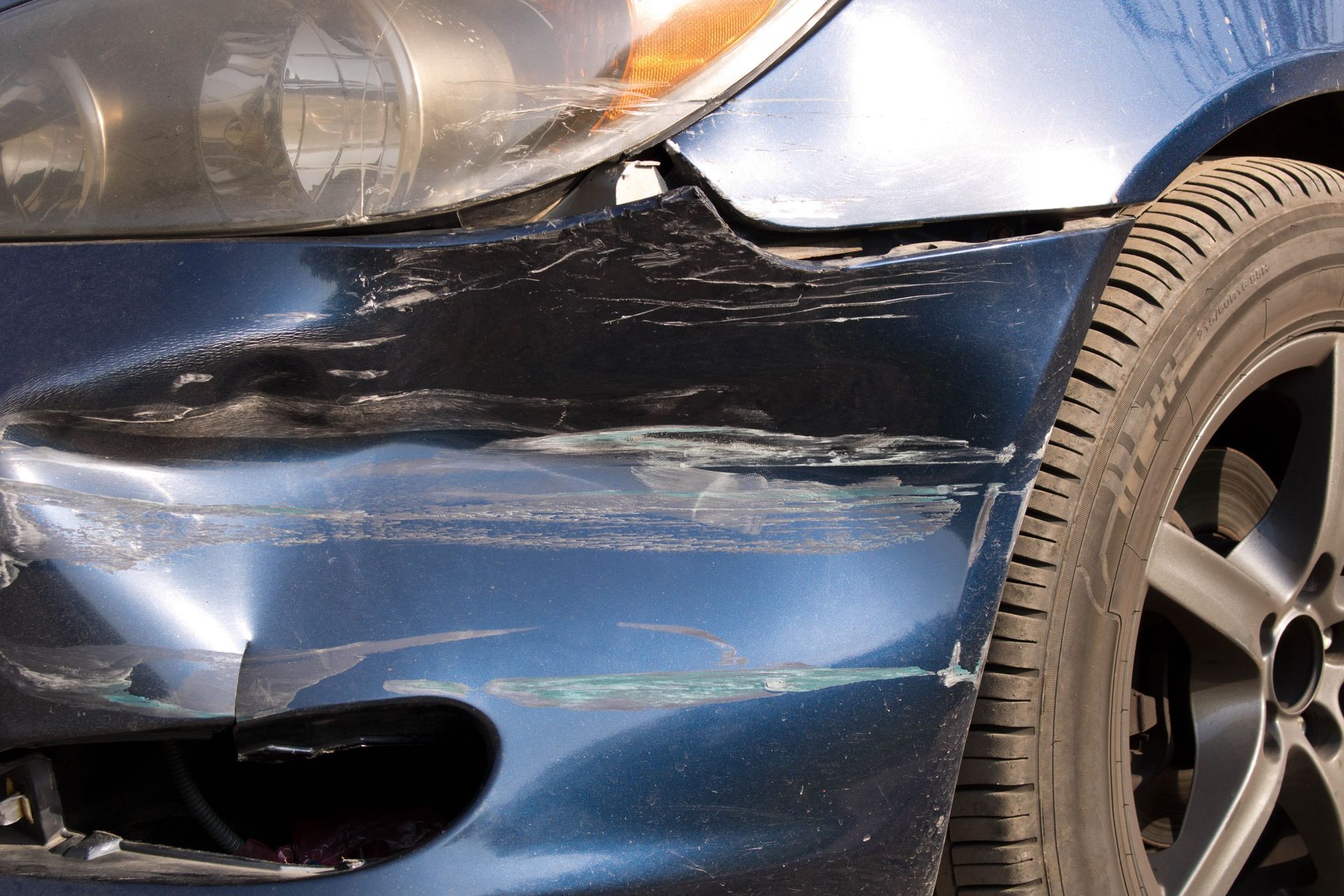
- Vehicle damage reports
- Property inspection and maintenance records
- Employment and wage records
- Insurance policy information
- Electronic vehicle or cellphone data
Evidence can disappear quickly. Surveillance footage may be deleted, physical conditions may change, vehicles may be repaired, and witnesses may become difficult to locate. Beginning the investigation promptly can help preserve information that may support the claim.
Why Is Medical Documentation Important?
Medical records are a critical part of a personal injury claim. They may show the nature of the injuries, the treatment received, the expected recovery period, and whether future care may be necessary.
Treatment may include:
- Emergency medical care
- Hospitalization
- Surgery
- Diagnostic testing
- Physical therapy
- Medication
- Counseling
- Follow-up appointments
- Long-term rehabilitation
Following reasonable medical recommendations is important for both your health and your claim. Long gaps in treatment or frequently missed appointments may allow an insurance company to argue that the injuries were not serious or were unrelated to the accident.
What Compensation May Be Available?
Compensation in a personal injury case is commonly referred to as damages. The damages available depend on the nature of the accident and the losses it caused.
Economic damages address financial losses and may include:
- Past and future medical expenses
- Lost wages
- Reduced earning capacity
- Rehabilitation expenses
- Property damage
- Necessary household assistance
- Transportation costs
- Other accident-related expenses
Non-economic damages address personal losses that do not have a fixed dollar value, including:
- Physical pain
- Emotional distress
- Loss of enjoyment of life
- Disability
- Disfigurement
- Inconvenience
- Loss of companionship in qualifying cases
Punitive damages may be considered in limited cases involving particularly wrongful conduct. These damages are intended to punish the defendant and discourage similar behavior rather than compensate the injured person for a specific loss.
What Happens if You Were Partially Responsible?
California follows a comparative fault system. An injured person may still be able to recover compensation even if they share some responsibility for the accident. However, their recovery may be reduced according to their percentage of fault.
For example, if a person’s damages total $100,000 but that person is found to be 20% responsible for the accident, the potential recovery may be reduced to $80,000.
Insurance companies may attempt to assign greater fault to the injured person to reduce the amount they must pay. Photographs, witness statements, accident reports, and video recordings can be especially important when responsibility is disputed.
How Does the Insurance Claim Process Work?
After the responsible parties and applicable insurance policies have been identified, a claim may be submitted to the insurance company. The insurer will typically investigate the accident, review medical documentation, and evaluate the claimant’s losses.
The insurance company may question:
- Who caused the accident
- Whether the injured person contributed to it
- Whether the injuries resulted from the accident
- Whether the medical treatment was necessary
- Whether a prior condition caused the symptoms
- How much income was lost
- Whether future care will be required
An insurance adjuster may make a settlement offer before the full extent of the injuries is known. Accepting a settlement generally requires the injured person to sign a release ending the responsible party’s liability. Once the release is signed, the claimant typically cannot request additional compensation if the condition worsens or further treatment becomes necessary.
It is important to understand the present and possible future effects of an injury before resolving a claim.
How Is a Settlement Demand Prepared?
Once the accident has been investigated and the extent of the injuries is sufficiently understood, a settlement demand may be submitted to the insurance company.
The demand generally explains:
- How the accident happened
- Why the insured party is responsible
- What injuries were sustained
- What medical treatment was required
- How the injury affected the claimant’s life
- What financial losses resulted
- How much compensation is being requested
Medical records, bills, wage statements, photographs, witness accounts, and other supporting evidence may be included with the demand.
The insurance company may accept the demand, reject it, or make a counteroffer. Negotiations may continue until the parties reach an agreement or determine that filing a lawsuit is necessary.
Does Every Personal Injury Claim Go to Court?
Many personal injury claims are resolved through insurance negotiations without going to trial. However, a lawsuit may become necessary when the insurance company denies responsibility, disputes the injuries, or refuses to offer fair compensation.
A personal injury lawsuit may involve:
- Filing and serving a complaint
- Receiving the defendant’s response
- Exchanging written discovery
- Conducting depositions
- Requesting documents and records
- Completing medical examinations
- Attending court hearings
- Participating in mediation
- Preparing for trial
Settlement discussions can continue after a lawsuit is filed. If the parties cannot reach an agreement, a judge or jury may determine responsibility and the amount of compensation.
How Long Do You Have to File a Claim?
California generally allows two years to file a lawsuit for an injury or death caused by another person’s wrongful act or negligence. However, the deadline can vary depending on the circumstances.
Claims involving a government agency or public employee may have a much shorter deadline. An administrative claim for personal injury generally must be presented to the appropriate government entity within six months after the claim arises.
Different rules may also apply when the injured person is a minor, the injury was not immediately discovered, or another exception changes the filing period. Missing the applicable deadline may prevent an injured person from recovering compensation, making it important to have the claim reviewed promptly.
How Long Does a Personal Injury Claim Take?
There is no standard timeline for resolving a personal injury claim. The length of the process may depend on:
- The severity of the injuries
- The length of medical treatment
- Whether responsibility is disputed
- The number of parties involved
- The available insurance coverage
- The amount of compensation being requested
- Whether a lawsuit must be filed
- The court’s schedule
A straightforward claim may be resolved through negotiations, while a disputed or complex case may take longer. Settling too early can create problems if future treatment needs and long-term limitations have not been fully identified.
How Can a Personal Injury Attorney Help?
A personal injury attorney can handle the legal and insurance issues while the injured person focuses on recovery. Representation may include:
- Investigating the accident
- Identifying responsible parties
- Preserving important evidence
- Reviewing insurance coverage
- Communicating with adjusters
- Documenting medical and financial losses
- Calculating current and future damages
- Negotiating for fair compensation
- Filing a lawsuit when necessary
- Preparing the case for trial
An attorney can also help protect a claimant from efforts to shift blame, minimize the injuries, or pressure them into accepting an inadequate settlement.
Speak With a Palm Desert Personal Injury Attorney
For more than 30 years, Dale Gribow has represented injury victims throughout Palm Desert and the Coachella Valley. At Dale Gribow Attorney at Law, personal injury clients receive direct attention, clear guidance, and responsive support throughout the claims process.
If you were injured because of another party’s negligence, Dale can review the circumstances of the accident, explain your legal options, and help you pursue the compensation available under California law.
Call Dale Gribow Attorney at Law at 760-837-7500 to schedule a consultation with Dale today, or visit www.dalegribowlaw.com.
This article provides general information and is not legal advice. Every personal injury case is different, and prior results do not guarantee a similar outcome.