What to Expect at a Holiday DUI Checkpoint in the Coachella Valley
What to Expect at a Holiday DUI Checkpoint in the Coachella Valley
From Thanksgiving through New Year’s, the Coachella Valley fills up with holiday parties, winery visits, golf-club dinners and seasonal visitors.
Law enforcement responds the same way every year: more patrols and more DUI checkpoints along Highway 111, Washington Street, Monterey Avenue and other busy corridors. Knowing how a checkpoint works, and what you do and don’t have to do, can help you stay calm and protect your rights if you’re waved into one.
Are DUI Checkpoints Legal in California?
Yes. In Ingersoll v. Palmer (1987), the California Supreme Court held that sobriety checkpoints are constitutional, as long as they follow guidelines that limit officer discretion. These include:
- Supervising officers, not officers in the field, decide where and when the checkpoint operates.
- Vehicles are stopped by a neutral formula, such as every car or every third car.
- The location is reasonable and safe, with clear signs and visible officers.
- Each stop is kept brief.
- Checkpoints are usually announced in advance.
A checkpoint that ignores these safeguards can become an issue in a DUI case. An experienced Palm Desert DUI defense lawyer will look closely at how the stop was set up and run.
What Happens When You’re Stopped
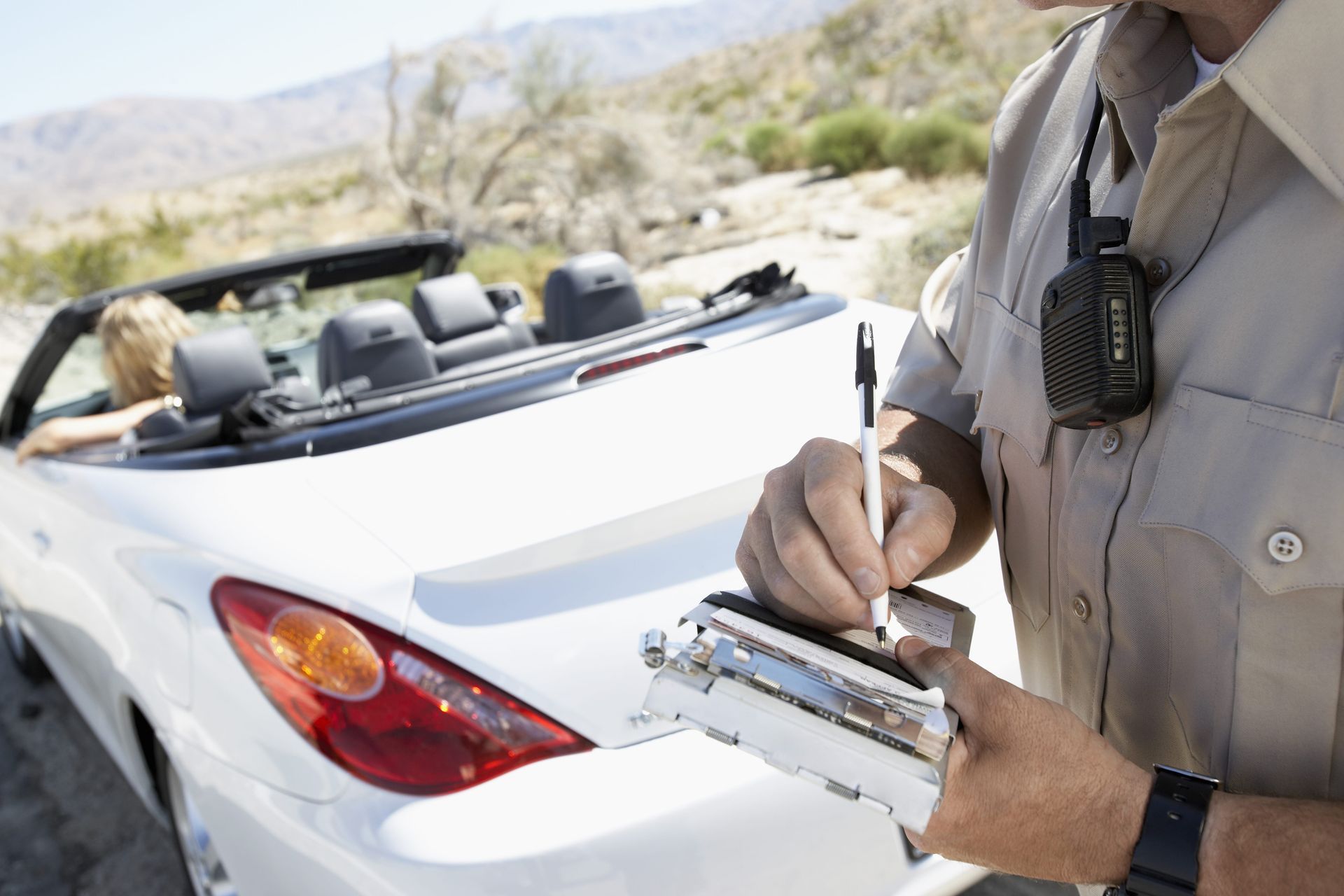
Most checkpoint stops take less than a minute. An officer will usually greet you, ask for your license, and look and listen for signs of impairment: the smell of alcohol, slurred speech, open containers or bloodshot eyes. If nothing stands out, you’re sent on your way.
If the officer believes you may be impaired, you may be directed to a secondary screening area for more questions and testing.
You may lawfully avoid a checkpoint by turning before you reach it, as long as you do so legally. An illegal U-turn or another traffic violation, however, gives officers a separate reason to stop you.
What You Must Do and What You Can Decline
You must:
- Stop when directed.
- Provide your driver’s license and, if asked, your registration and proof of insurance.
- Follow lawful instructions, such as rolling down your window or pulling into a screening lane.
You may politely decline:
- Answering questions about where you’re coming from, where you’re going, or whether you’ve been drinking. You can simply say you prefer not to answer.
- Field sobriety tests, such as walking a line or following a pen with your eyes. These are voluntary in California.
- The roadside preliminary breath test (PAS), if you are 21 or older and not on DUI probation.
Declining these steps should always be done calmly and respectfully. Arguing, raising your voice or refusing to hand over your license only makes the encounter harder.
The Difference Between a Roadside Test and a Chemical Test
The voluntary roadside breath test is different from the chemical test required after a lawful DUI arrest. Under California’s implied consent law (Vehicle Code § 23612), every licensed driver agrees in advance to a breath or blood test after arrest.
Refusing that post-arrest chemical test can lead to a one-year license suspension for a first offense, even if you are never convicted of DUI. A refusal can also be used against you in court and may lead to added penalties. Dale Gribow’s website covers this and other common concerns on its DUI FAQ page.
The Legal Limits to Remember
California’s blood alcohol limits are:
- 0.08% for most adult drivers
- 0.04% for commercial drivers
- 0.01% for drivers under 21
You can also be charged with DUI below 0.08% if an officer believes alcohol or drugs, including prescription medications and cannabis, impaired your driving.
If You’re Arrested at a Checkpoint
A DUI arrest starts two separate cases: a criminal case in court and an administrative case with the California DMV. The most urgent deadline is the DMV’s. You have only 10 days from the arrest to request a DMV hearing. If you miss it, your license suspension can take effect automatically.
A first-offense DUI in California can bring:
- Fines and penalty assessments that often reach several thousand dollars
- Three to five years of informal probation
- Up to six months in jail
- A court-ordered DUI program
- A license suspension
For a detailed look at the steps after an arrest, read What Happens After a DUI Arrest in Palm Desert, California. If you’re also worried about your car insurance, see Do I Have to Tell My Insurance Company I Got a DUI?
Most first-time checkpoint arrests are charged as misdemeanors, but a misdemeanor conviction can still affect your license, insurance and record. Learn more about how Dale Gribow handles misdemeanor charges in the Coachella Valley.
Plan Ahead This Holiday Season
The simplest way to avoid a checkpoint arrest is to plan your ride before the party starts:
- Choose a designated driver.
- Book a rideshare or taxi.
- Stay the night if you’re celebrating away from home.
Many Coachella Valley clubs and venues also arrange shuttles during the holidays.
Frequently Asked Questions
Do I have to answer an officer’s questions at a DUI checkpoint?
No. You must provide your license and paperwork when asked, but you can politely decline to answer questions about where you’ve been or whether you’ve been drinking.
Can I turn around to avoid a DUI checkpoint?
Yes, as long as you turn legally. An illegal U-turn or another traffic violation gives officers a separate reason to pull you over.
What happens if I refuse a breath test after a DUI arrest?
Refusing a chemical test after a lawful arrest can result in a one-year license suspension for a first offense, plus possible added penalties in your criminal case.
Talk to a Coachella Valley DUI Attorney
If you’re arrested at a holiday DUI checkpoint, act quickly. Dale Gribow is a former public defender and judge pro tem with more than 30 years of experience defending DUI cases throughout the Coachella Valley. He knows how these cases are built, and how they can be challenged. Contact Dale Gribow Attorney at Law any time, 24/7, to protect your license and your future.
Disclaimer: This article is for general informational purposes only and is not legal advice. Reading it does not create an attorney-client relationship. For advice about your situation, consult a qualified attorney.